- Cash Flow U Chronicles
- Posts
- The New Emergency Fund Rule – Why 3–6 Months Is No Longer Enough, and How to Adjust in 2025
The New Emergency Fund Rule – Why 3–6 Months Is No Longer Enough, and How to Adjust in 2025
William Thompson
October 17, 2025

For decades, financial experts have repeated the same advice: save 3–6 months’ worth of living expenses in an emergency fund. While this rule of thumb has served people well in the past, today’s economic realities have changed the game. Rising costs of living, longer periods of unemployment, and unpredictable markets mean that the old standard may not offer the same level of security as it once did.
In 2025, building an emergency fund requires a fresh perspective. It is no longer about having a buffer—it is about creating true financial resilience. Let us explore why the traditional 3–6-month rule is outdated and what you can do to adjust.
Why 3–6 Months No Longer Cuts It
1. Longer Job Searches
In many industries, it can take 6–12 months to land a new position after a layoff.
The old rule assumes quick re-employment, which is not always realistic in today’s job market.
2. Inflation and Rising Costs
Food, housing, healthcare, and utilities have all seen sustained increases.
What used to cover six months may now barely stretch three in a high-cost economy.
3. Gig and Freelance Work Risks
Many households now rely on variable income streams.
Inconsistent paychecks mean you need a larger cushion to smooth out cash flow.
4. Unexpected Emergencies Beyond Job Loss
Medical bills, family emergencies, or even natural disasters can quickly drain savings.
A larger fund helps protect against multiple crises hitting at once.
How to Adjust Your Emergency Fund in 2025
1. Aim for 9–12 Months of Expenses
For most households, this provides a more realistic cushion.
Self-employed or gig workers may benefit from setting aside even more.
2. Recalculate Based on Today’s Costs
Do not rely on outdated numbers. Revisit your budget and update your actual monthly expenses.
Factor in essentials only: housing, food, utilities, insurance, and debt payments.
3. Keep It Accessible, But Not Too Accessible
Use a high-yield savings account to earn interest while keeping funds liquid.
Avoid tying your emergency fund to investments that fluctuate in value.
4. Build in Layers
Create a “first line” emergency fund of at least $5,000 for immediate needs.
Add to this until you reach your long-term goal of 9–12 months.
5. Make It Automatic
Set up monthly transfers into your emergency fund.
Treat it like a bill you cannot skip, even if you start small.
The old emergency fund rule is not wrong—but it is incomplete for today’s world. By aiming for 9–12 months of expenses, updating your numbers regularly, and structuring your savings strategically, you will give yourself more than just peace of mind. You will create financial flexibility that allows you to manage life’s curveballs without going into debt.
Crash Expert: “This Looks Like 1929” → 70,000 Hedging Here
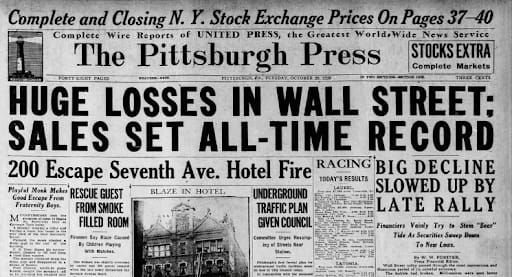
Mark Spitznagel, who made $1B in a single day during the 2015 flash crash, warns markets are mimicking 1929. Yeah, just another oracle spouting gloom and doom, right?
Vanguard and Goldman Sachs forecast just 5% and 3% annual S&P returns respectively for the next decade (2024-2034).
Bonds? Not much better.
Enough warning signals—what’s something investors can actually do to diversify this week?
Almost no one knows this, but postwar and contemporary art appreciated 11.2% annually with near-zero correlation to equities from 1995–2024, according to Masterworks Data.
And sure… billionaires like Bezos and Gates can make headlines at auction, but what about the rest of us?
Masterworks makes it possible to invest in legendary artworks by Banksy, Basquiat, Picasso, and more – without spending millions.
23 exits. Net annualized returns like 17.6%, 17.8%, and 21.5%. $1.2 billion invested.
Shares in new offerings can sell quickly but…
*Past performance is not indicative of future returns. Important Reg A disclosures: masterworks.com/cd.