- Cash Flow U Chronicles
- Posts
- S-Corp vs. C-Corp – Which One Should You Choose?
S-Corp vs. C-Corp – Which One Should You Choose?

William Thompson
December 08, 2025
In partnership with

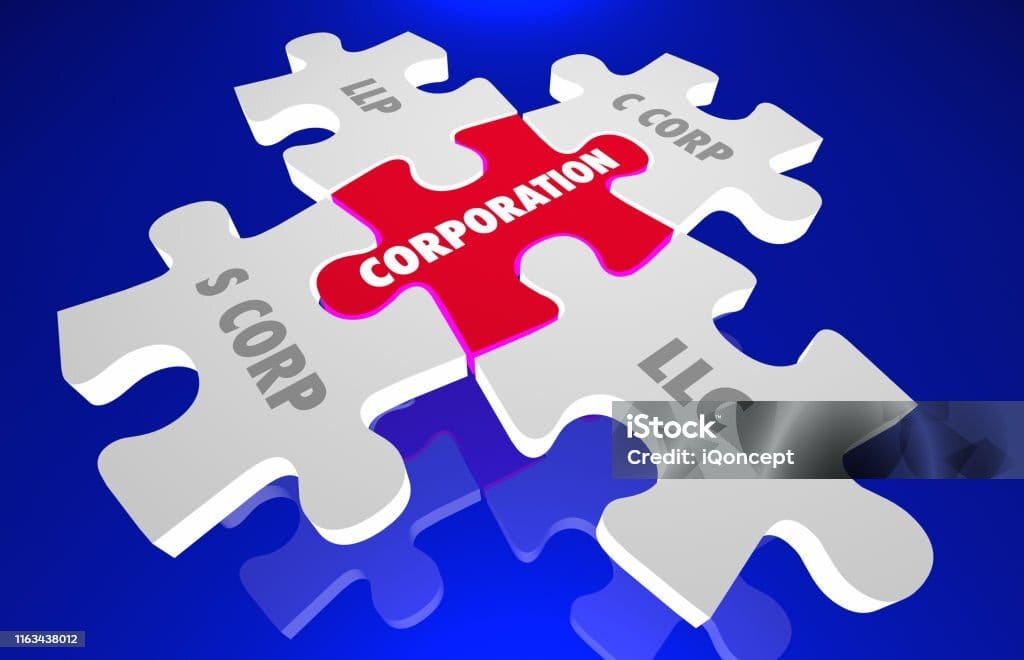
When starting or restructuring a business, one of the most important decisions you will make is how to legally structure it. For many small business owners, that choice often comes down to an S-Corporation (S-Corp) or a C-Corporation (C-Corp). Both options provide liability protection, but they differ in taxation, ownership rules, and how profits are distributed. Choosing the right one can save you money, simplify operations, and position your business for growth.
The Basics
S-Corp: Designed for small businesses that want pass-through taxation, meaning profits and losses are reported on your personal tax return.
C-Corp: The default corporation structure that can issue unlimited shares, attract investors, and is taxed separately from its owners.
Key Differences Between S-Corp and C-Corp
Taxes
S-Corp: Profits "pass through" to shareholders, avoiding double taxation. You only pay taxes once, on your personal income tax return.
C-Corp: Profits are taxed at the corporate level, and shareholders also pay taxes on dividends (double taxation). However, the flat corporate tax rate can benefit high-earning companies.
Ownership Rules
S-Corp: Limited to one hundred shareholders, all must be U.S. citizens or residents. cannot be owned by another corporation.
C-Corp: Unlimited shareholders allowed, and both U.S. and foreign investors can own stock. Perfect for businesses planning to raise significant outside capital.
Profit Distribution
S-Corp: Profits and losses are split among shareholders based on ownership percentage.
C-Corp: Greater flexibility, profits can be retained in the business or distributed as dividends.
Raising Capital
S-Corp: Limited ability to raise large amounts of capital due to shareholder restrictions.
C-Corp: Best for startups seeking venture capital or planning to go public.
Self-Employment Taxes
S-Corp: Owners who work in the business can pay themselves a "reasonable salary" (subject to payroll taxes), with remaining profits distributed as dividends (not subject to self-employment tax).
C-Corp: All profits are subject to corporate tax, but owners may benefit from fringe benefits like health insurance and retirement plans deducted at the corporate level.
When to Choose an S-Corp
You are a small business owner earning steady profits.
You want to avoid double taxation.
You do not plan to seek venture capital.
You want to reduce self-employment taxes.
When to Choose a C-Corp
You want to attract investors or eventually go public.
You need flexibility in ownership and profit distribution.
You are okay with double taxation in exchange for growth opportunities.
Your business generates high profits that can take advantage of the 21% flat corporate tax rate.
Quick Takeaways
S-Corp: Ideal for small to mid-sized businesses focused on tax savings and simplicity.
C-Corp: Ideal for startups, large businesses, or those planning to raise capital and scale.
Both structures protect your personal assets from business liabilities.
The right choice depends on your long-term goals, not just short-term tax savings.
If you are building a lifestyle business that prioritizes tax efficiency and simplicity, an S-Corp may be your best fit. But if you are aiming for rapid growth, outside investment, or eventually going public, a C-Corp is the way to go. Consulting with a tax professional before making the final decision can help you avoid costly mistakes.
Turn AI Into Extra Income
You don’t need to be a coder to make AI work for you. Subscribe to Mindstream and get 200+ proven ideas showing how real people are using ChatGPT, Midjourney, and other tools to earn on the side.
From small wins to full-on ventures, this guide helps you turn AI skills into real results, without the overwhelm.